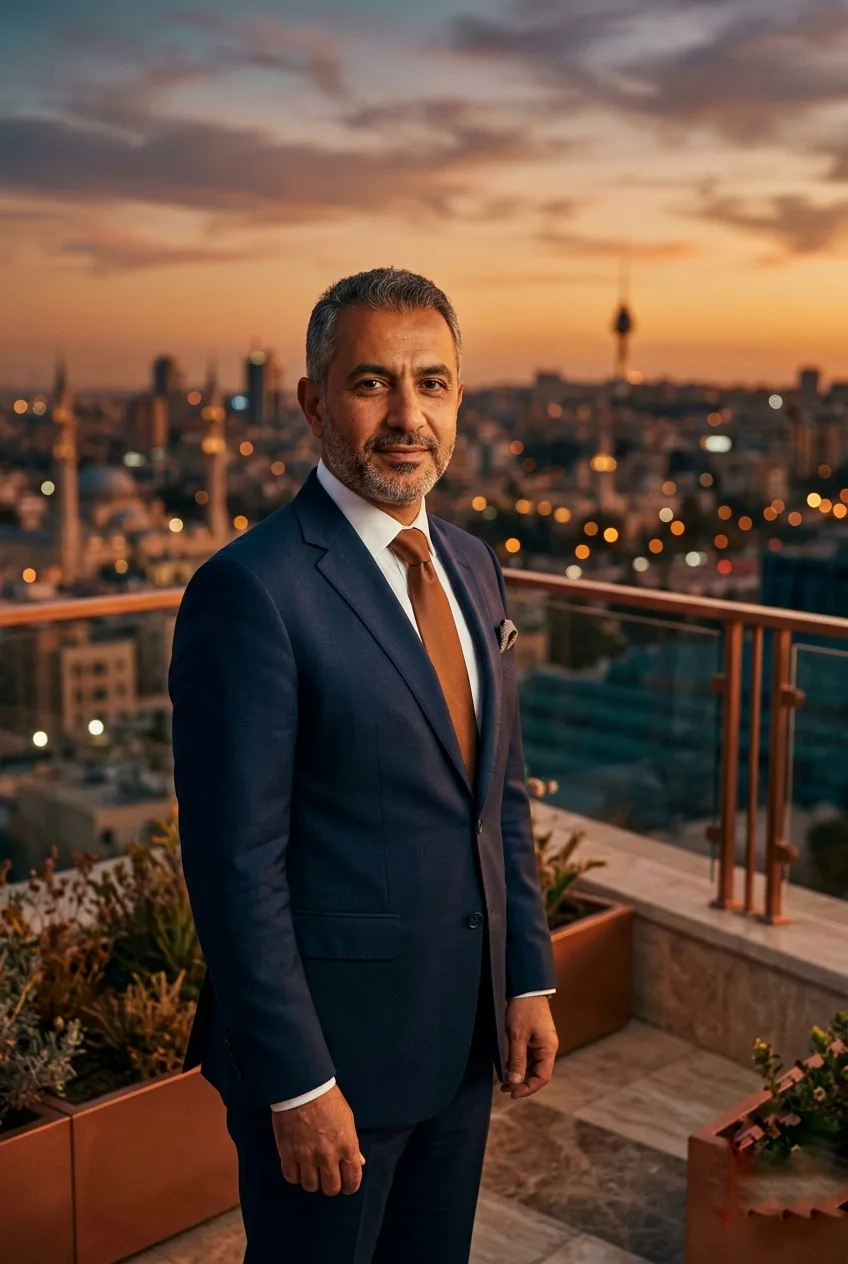
You study for it. You work toward it for fifteen, maybe twenty years. You do your time in F&B, then rooms division, then maybe a stint as Director of Operations if you are lucky. And then one day the title is yours -- General Manager -- and nobody tells you what it actually feels like to carry it.
Not the business card version. Not the LinkedIn headline. The real thing. The weight of it at 2am when the fire alarm goes off and 400 guests are standing in the parking lot in their bathrobes and you are the one who has to own it. That version.
The Loneliest Role in Hospitality
Here is something nobody warns you about: you are alone. Not literally -- you are surrounded by hundreds of people every day, staff and guests who all want something from you. But operationally, emotionally, strategically, the buck stops with you and there is no one above you in the building to share it with.
Your Director of Finance brings you numbers that do not work. Your Executive Housekeeper is down three staff members and the hotel is at 97% occupancy. Your F&B Director wants to redesign the lounge menu and your owner wants to know why RevPAR dropped 4% last quarter. All of this lands on your desk before lunch.
The best GMs develop a kind of emotional compartmentalization that looks like calm but is actually a highly trained survival mechanism. You learn to triage. You learn which fires are real and which ones just look like fires. You learn to read a room -- literally and figuratively -- in seconds.
Part Psychologist, Part Accountant, Part Host
The job description says General Manager. The actual job is something closer to a bizarre hybrid of therapist, CFO, and maitre d'. In any given hour you might coach a junior manager through their first guest complaint, review a capital expenditure proposal for a lobby renovation, and personally welcome a returning VIP who expects you to remember their preferred room type, their spouse's name, and the fact that they are allergic to lavender.
People who have never done the role assume it is about strategy and delegation. It is. But it is also about knowing that the third-floor corridor carpet has a stain that housekeeping missed and choosing whether to mention it now or wait until the morning briefing. It is about noticing that your front office manager has been quieter than usual this week and pulling them aside to ask if everything is okay.
The P&L does not lie. But neither does the energy in your lobby at 6pm. A good GM reads both with equal fluency.
The financial literacy requirement is non-negotiable. You cannot be a GM who "doesn't do numbers." The owners will eat you alive. But the GMs who last -- the ones who build careers that span decades and continents -- are the ones who understand that the numbers are a consequence of everything else. Get the culture right, get the guest experience right, get the team motivated and retained, and the P&L follows.
The Middle East Is Building Hotels Faster Than It Can Staff Them
There are more hotels under construction in the GCC right now than in any other region on earth. Saudi Arabia alone has tens of thousands of hotel rooms in the pipeline across Riyadh, Jeddah, NEOM, and the Red Sea coast. The UAE continues to build. Qatar is expanding post-World Cup. Oman and Bahrain are adding boutique and luxury inventory at pace.
What this means in practical terms: there are not enough experienced GMs to go around. The talent pool is stretched thin, and owners are looking further afield -- South Africa, Southeast Asia, Europe, the Americas -- to find leaders who can run complex properties in a cross-cultural environment.
The packages are serious. Tax-free salaries, housing, schooling for children, annual flights. But so are the expectations. An owner in the Gulf is often a private individual or a sovereign wealth entity, not a faceless REIT. They are invested personally. They want to know their GM, and they want results.
The Pride Nobody Talks About
For all the pressure, there is a moment -- and every GM knows it -- when you walk through your lobby and everything is working. The team is sharp. The flowers are perfect. The music is right. A guest catches your eye from the lounge and raises their glass slightly, a nod of appreciation that says: I am exactly where I want to be.
That is it. That is the whole thing. That micro-moment is what keeps people in this role for thirty years. It is not the title. It is not the salary. It is the quiet, private knowledge that you built something that works, that hundreds of people depend on you, and that tonight, everyone under your roof is taken care of.
Nobody prepares you for that either. But once you feel it, you understand why no one who truly loves this work ever wants to do anything else.