In 1994, we started Eduplace with a conviction that would define every year since: if you actually understand the sectors you recruit for, you make better matches. Not faster. Better.
In the mid-1990s, international schools across the Gulf were growing fast. They needed qualified, experienced teachers who could handle the demands of an overseas posting. What they got instead was a stack of unvetted resumes from generalist agencies that did not know the difference between a PYP coordinator and a supply teacher.
Gregory Howard saw it firsthand. He had spent years in education and understood what schools actually needed: someone who could read a CV the way a principal would, assess not just qualifications but temperament, mobility, and classroom fit. So in 1994, from Cape Town, South Africa, he built a recruitment firm designed to do exactly that.
No volume plays. No automated filtering. Just a specialist who knew the sector, reviewing every single application personally. That was the founding principle. It still is.
The recruitment industry has spent the last decade building systems that filter people out. ATS platforms that reject qualified candidates because a keyword is missing. AI screeners that never read a cover letter. Algorithms that optimize for speed at the cost of accuracy.
We built our business around the opposite approach. Not because technology is bad, but because recruitment is ultimately about people making life-changing decisions: moving countries, changing careers, trusting their family's future to a new employer. Those decisions deserve more than a keyword match.
That conviction is why we still operate the way we do. Every application reviewed by a human specialist. Every shortlist built with intent. Every placement followed through to the point where someone is actually settled in their new role, not just signed on paper.
It would be easier to automate. Cheaper to filter by keyword. We choose not to, because we have seen what happens when you do: good candidates get missed, and employers receive shortlists that miss the point.
We tell employers when their brief is unrealistic. We tell candidates when a role is not the right fit. Honest conversations early prevent costly mistakes later. That is not always comfortable, but it is always the right call.
Some of our earliest candidates from the late 1990s still call us when they are ready for their next move. That kind of trust is not built through a portal. It is built through years of doing right by people, one placement at a time.
A signed contract is not a finished job. We stay engaged through onboarding, through the first months, through the transition period where new hires are most vulnerable to second-guessing. Our placement is not complete until the person is settled.
The tools have changed. The markets have expanded. The principle has not.
Three leaders. Different paths to the same conviction: recruitment works when the people doing it genuinely understand the sectors they serve.

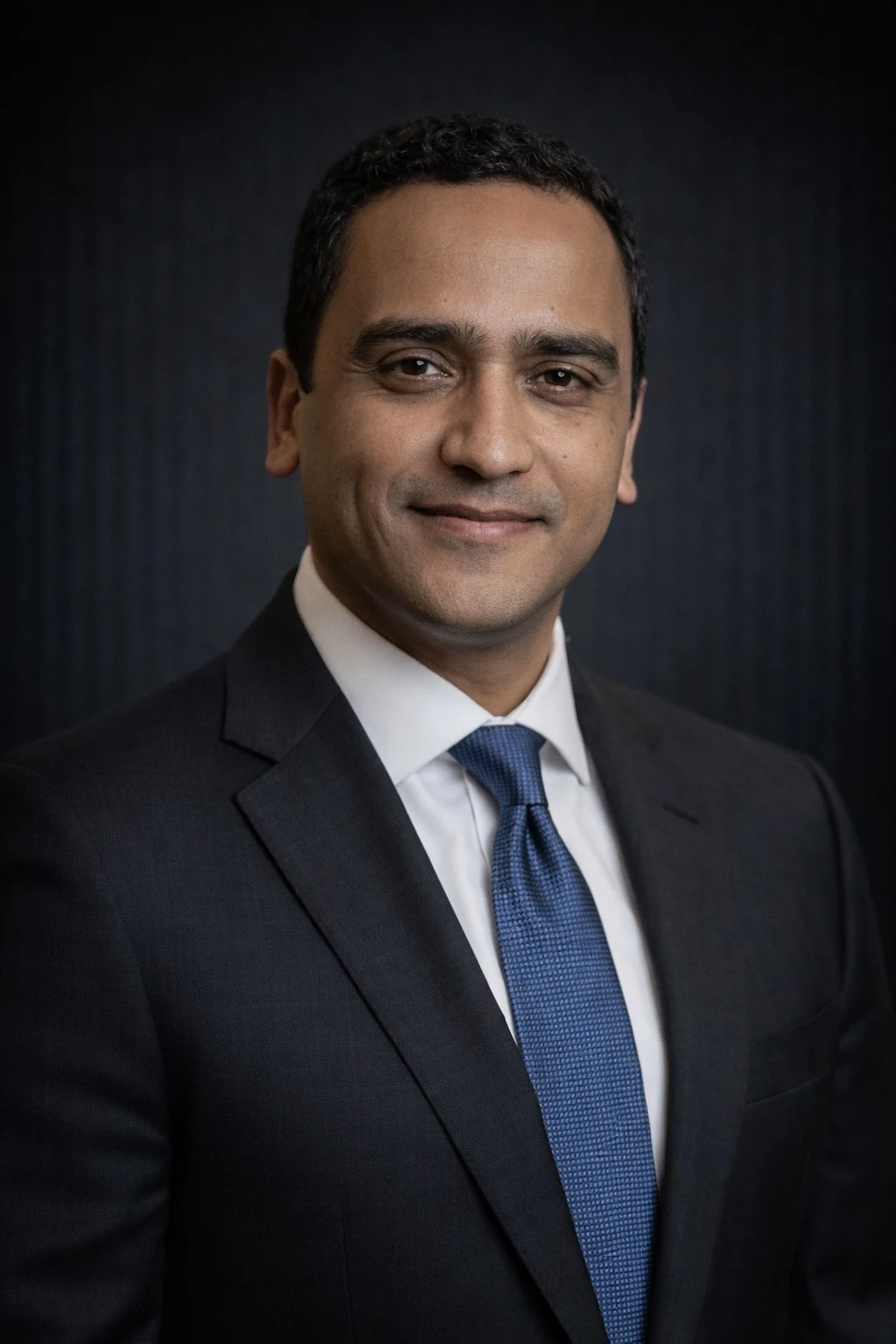
Greg has led Eduplace since 1994, when the firm launched from Cape Town, South Africa, to address the failure of generalist agencies in the international education sector. The firm was built around a single idea: know the sector deeply enough to assess candidates the way a school principal would. Nearly three decades later, he still personally reviews education applications. Now based in Panama City Beach, Florida, he leads the firm's expansion into Hospitality and Retail with the same hands-on approach.

Edward brings a background in executive search and structured talent acquisition to Eduplace's recruitment operations. He oversees employer relationship management and shortlist delivery across all three sectors, ensuring that every brief receives a response built on actual candidate assessment, not database scraping. Based on the Gulf Coast, Edward is the operational bridge between what employers need and what the talent market offers.

Leonie manages global operations and candidate lifecycle across Eduplace's three practice areas. From initial application through to placement confirmation and onboarding, she ensures every touchpoint meets the firm's standard of care. Based in Atlanta, Georgia, she brings operational precision to what is fundamentally a relationship-driven business, keeping the process running smoothly across multiple time zones and regulatory environments.
We started this company because we believed people moving across the world for work deserved someone in their corner who actually understood what they were getting into.Gregory Howard, President & CEO
Eduplace Recruitment began as a specialist education recruitment firm in Cape Town, South Africa. The original mission was focused: connect qualified South African and international educators with the growing network of international schools across the Gulf region.
As the firm's reputation grew, so did the geographic scope. By the 2000s, Eduplace was placing educators across the UAE, Saudi Arabia, Qatar, Kuwait, and Bahrain. The 2020s brought a strategic shift to the United States, with operations established in Panama City Beach, Florida. And in 2025, the firm extended its model into two new sectors: Hospitality and Retail.
Through every expansion, one thing has remained constant: every application is reviewed by a human specialist with genuine sector knowledge. That is the non-negotiable.

Eduplace Recruitment launches with a focus on placing qualified educators into international schools across the Middle East.
Operations expand across the UAE, Saudi Arabia, Qatar, Kuwait, Bahrain, and Oman. Eduplace becomes a trusted partner for international schools in the region.
The firm relocates its headquarters to Panama City Beach, Florida, establishing a US presence and strengthening relationships across North America and the UK.
Two new practice areas launched, applying the same specialist assessment model to hotel, F&B, resort, luxury retail, and boutique brand recruitment.
We do not claim to recruit everywhere. We recruit in markets where we have built relationships, understand regulatory environments, and can deliver with confidence.
Dubai, Abu Dhabi, Riyadh, Jeddah, Doha, Kuwait City, Muscat, Manama. International schools, luxury hotels, and resort groups.
Panama City Beach (HQ), Miami, Atlanta, Houston, Dallas, New York. Education, hospitality, and retail across the Southeast and major metros.
Toronto, Ontario, and broader provinces. Education and hospitality placements for internationally qualified candidates.
London and surrounding regions. Outbound educators and returning professionals across all three sectors.
Cape Town, Johannesburg. Our founding market and a continued source of exceptional education talent for international placements.


Submit a brief for employer engagements, or submit your resume as a candidate at no cost. Our team responds to all enquiries within one business day.