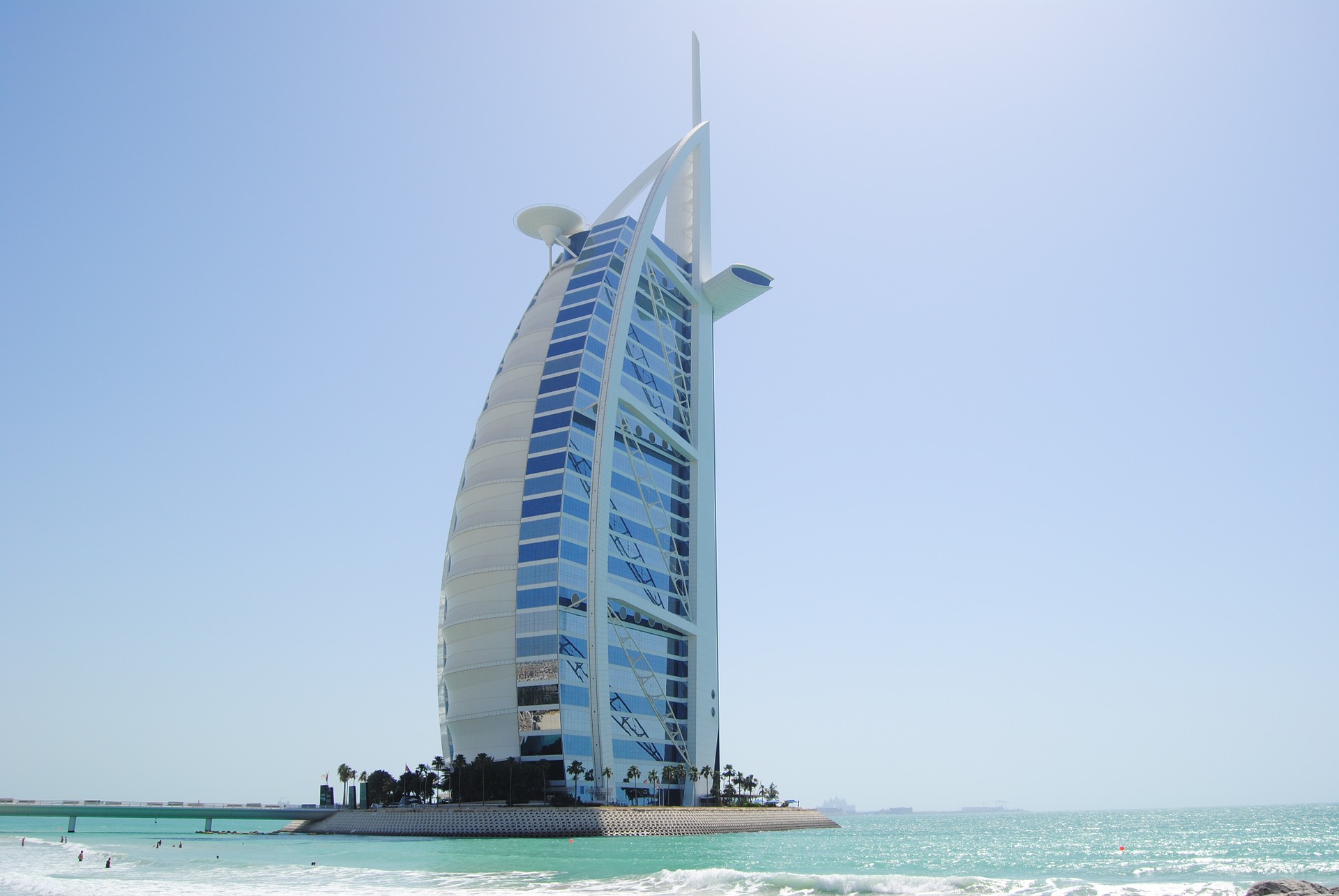
The Middle East is in the middle of the largest hospitality expansion in its history. New luxury hotels, resorts, and mixed-use developments are opening across the UAE, Qatar, Saudi Arabia, and Kuwait at a pace that far outstrips the supply of experienced hospitality professionals. For senior operators and specialists, the region is becoming the most compelling career destination in the industry.
The Hospitality Boom
Saudi Arabia alone is developing dozens of mega-projects that include hospitality components — from NEOM to the Red Sea Global resorts to the entertainment destinations around Riyadh. The UAE continues to add five-star inventory ahead of major events and tourism targets. Qatar is building on the infrastructure legacy of the 2022 World Cup. Kuwait and Bahrain are investing in boutique and luxury properties to diversify their tourism offerings.
This is not incremental growth. It is a structural shift, and it is creating thousands of senior hospitality roles that need to be filled by experienced professionals from established luxury markets.
Roles in Demand
The positions driving the most recruitment activity right now include:
- General Managers and Hotel Managers
- Food & Beverage Directors
- Executive Chefs and Culinary Directors
- Revenue Managers and Commercial Directors
- Spa and Wellness Directors
- Directors of Sales and Marketing
- Operations Managers for large-scale resorts
These are not entry-level positions. Hotels and resorts in the region are looking for professionals with proven track records at internationally recognised brands.
What Makes Middle East Hospitality Different
Service expectations in the Gulf are among the highest in the world. Guests at top properties expect flawless, personalised service, and the guest mix is genuinely international — you will serve guests from every continent in any given week. The scale of operations can be extraordinary: hotels with 500+ rooms, multiple F&B outlets, extensive event facilities, and dedicated leisure offerings are common.
For hospitality professionals who have worked primarily in smaller European or North American properties, the operational complexity of a Gulf resort can be a significant step up. That is part of what makes it attractive — it accelerates your career in ways that staying in a single market cannot.
Typical Packages
Compensation packages for senior hospitality roles in the Middle East generally include:
- Tax-free salary (significantly higher take-home than equivalent roles in taxed markets)
- Accommodation allowance or provided housing
- Annual return flights
- Comprehensive health coverage
- Duty meals and laundry at many properties
- End-of-service gratuity
As with any market, packages vary by property, brand, and location. A GM role at a flagship urban hotel in Dubai will offer a different package than a pre-opening role at a resort in a secondary Saudi city. We help candidates evaluate offers realistically.
Who Does Well
The candidates who succeed in Middle East hospitality tend to share certain characteristics: international experience across multiple markets, cultural adaptability, a background with recognised luxury brands, and the ability to build and lead diverse teams. Language skills — particularly Arabic, French, or Mandarin — are increasingly valued but not always required.
Why Eduplace
Eduplace has recently launched our Hospitality practice, built on 28 years of international recruitment methodology in Education. We are applying the same rigour — human assessment, curated shortlists, honest candidate guidance — to this sector. We do not blast CVs to every hotel in the region. We take the time to understand what each property needs and present candidates who genuinely fit.
Explore Opportunities
If you are an experienced hospitality professional considering the Middle East, visit our Hospitality practice page to learn more about how we work, or browse current open positions to see what is available now.
← Back to Blog